What does a marketing technology specialist do?
The above question is something I’m often asked (including, on several occasions, by my parents): what is Marketing Technology and what does my job actually involve?
For someone without experience in Digital Marketing, a little confusion is understandable. Despite attracting significant investment (approx. $350 billion was spent globally in 2020 alone), Digital Marketing is still a very young industry. Marketing Technology as a distinct focus is an even more recent development in the field and the constant technical innovations & intricacies can be a mystery even to seasoned marketers. To this end, many companies have recognised the importance of having dedicated Marketing Technology experts: even way back in 2014, 81% of large US companies had employees with such responsibilities.
Before tackling the key question, let’s take a quick look at the development of Digital Marketing over the years.
Some Digital marketing highlights
| 1990s | Webmail services like Hotmail are launched, bringing email into the mainstream |
| 2000 | Google Adwords launched, which will develop into the primary acquisition channel for many companies with search engine and display advertising |
| Late 90s/early 2000s | The massive expansion of internet use (7% of UK residents were active on the web in 1997, reaching over 56% just 5 years later in 2002) resulted in the expansion of online channels like email and search engine advertising – bringing new opportunities for companies to market their products. |
| 2007 | First iPhone launched, kicking off the era of mobile marketing. Push notifications followed in 2009, providing a channel with immediacy and high efficacy. |
| Late-2000s | Social media platforms like Facebook offer personalised ads |
| 2010s | Improved mobile connectivity leads to proliferation of photo/video content on platforms like Instagram, Youtube and Tiktok. |
While these new channels/developments increased reach, the real revolution in Digital Marketing was measurability and tracking. Cookies and device identifiers allowed users to be tracked between sessions and pages, enabling construction of a detailed picture of user behaviour and for marketing tools to track performance of specific campaigns. Marketers could then test easily, measure results, optimise campaigns and target advertising spend.
Of course, Digital Marketing has continued to develop technologically since the foundations were laid down in the 2000s. To illustrate that point, here’s a comparison of the ‘then and now’ of the grandmother of digital marketing channels – email.
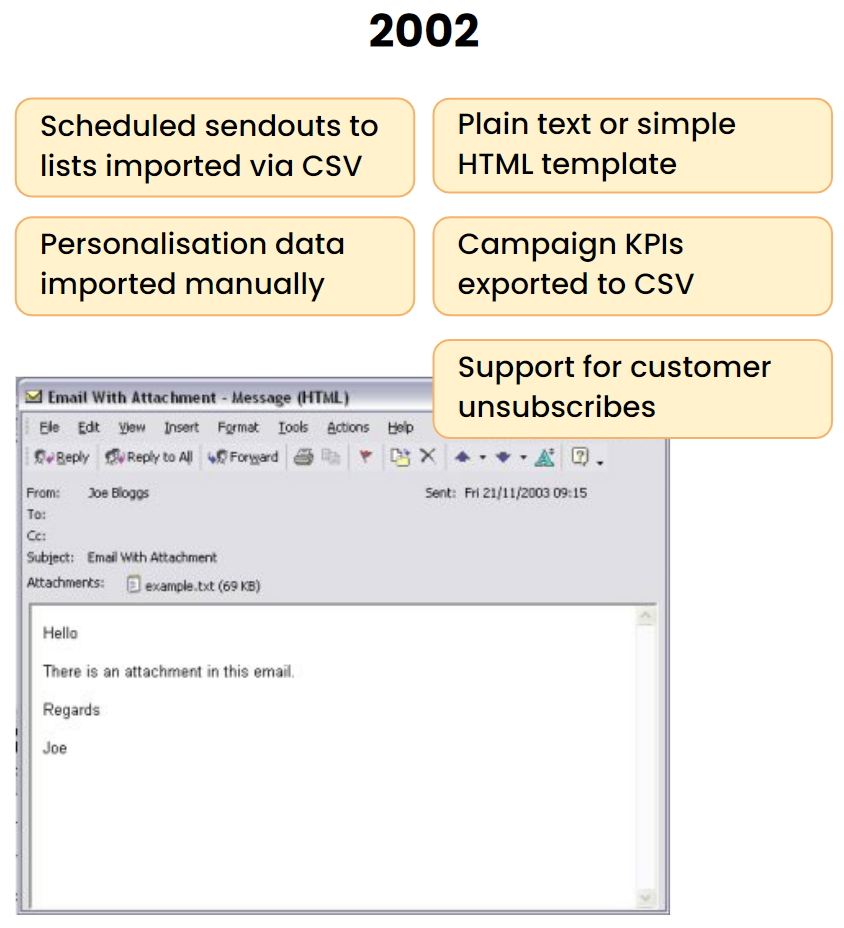
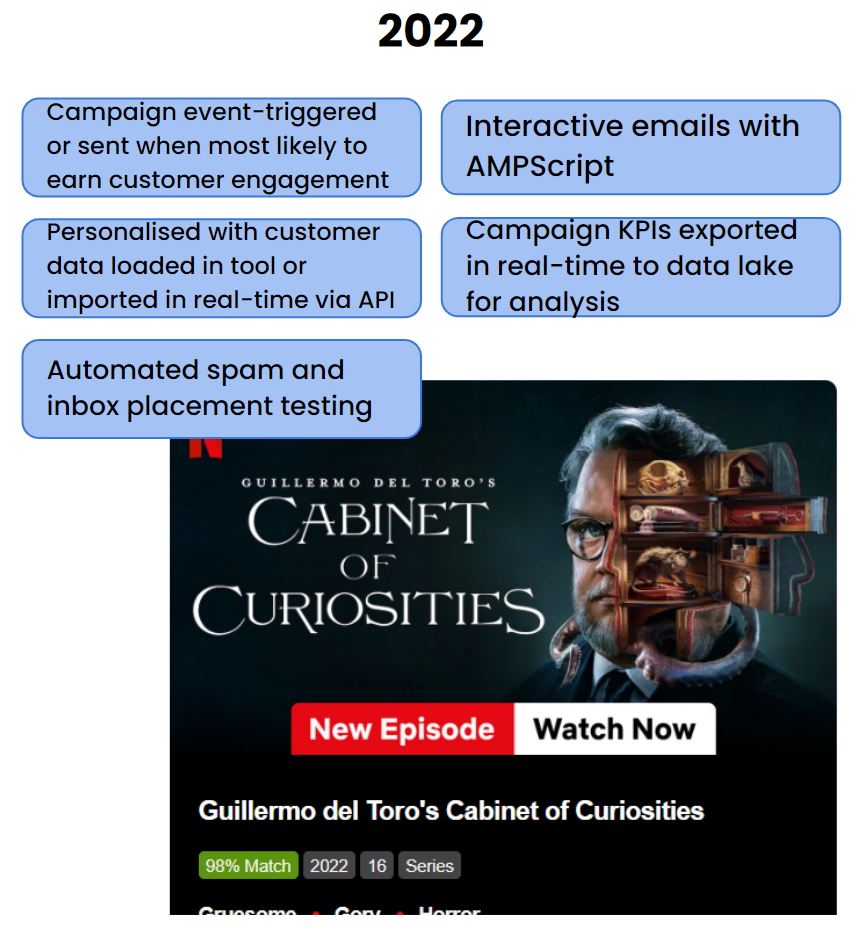
It’s clear that marketers have an increasingly complex technical landscape to deal with, but how does that relate to our original question?
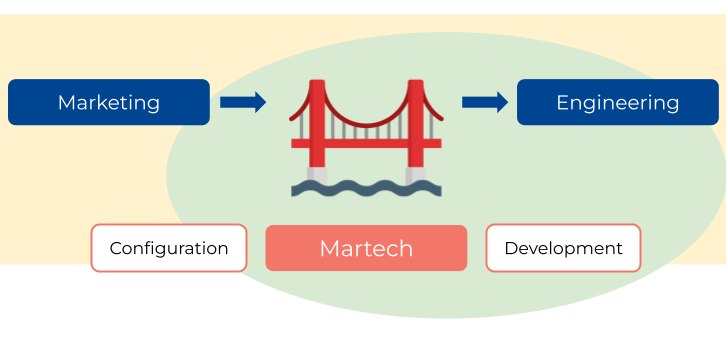
A Marketing Technology Specialist is someone with the expertise & experience to understand the technology used in Digital Marketing and apply it to the strategic objectives of the marketing team.
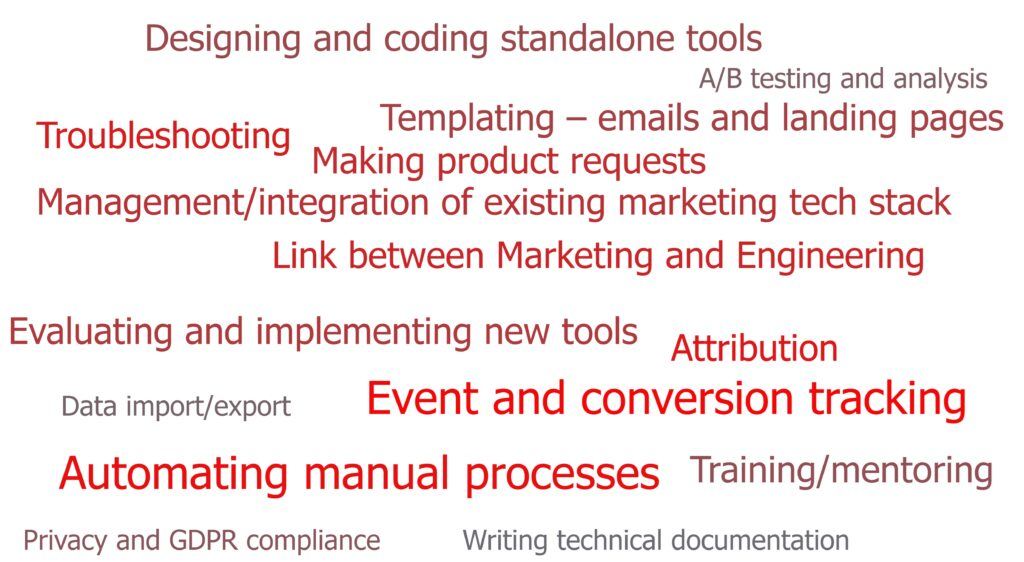
As you can imagine, Marketing Technology Specialists have a diverse set of responsibilities, but here are some typical tasks which might be on the list:
What does a Marketing Technology Specialist need to succeed?
As a very new profession, there is a great deal of variation in the skillsets of Martech Specialists. Scott Brinker of Chief Martech identifies 4 types of marketing technology roles in an insightful article, but at a basic level, all Martech Specialists require a strong technical aptitude to understand the complex processes involved and a spirit of adaptability – considering the range of responsibilities is likely to be broad. A sense of self-sufficiency is also very important, as Martech teams are generally small (unless you are working in an enterprise-size company), so there are limited opportunities to ask for advice from colleagues. Platforms like Stack Overflow are your best friends here.
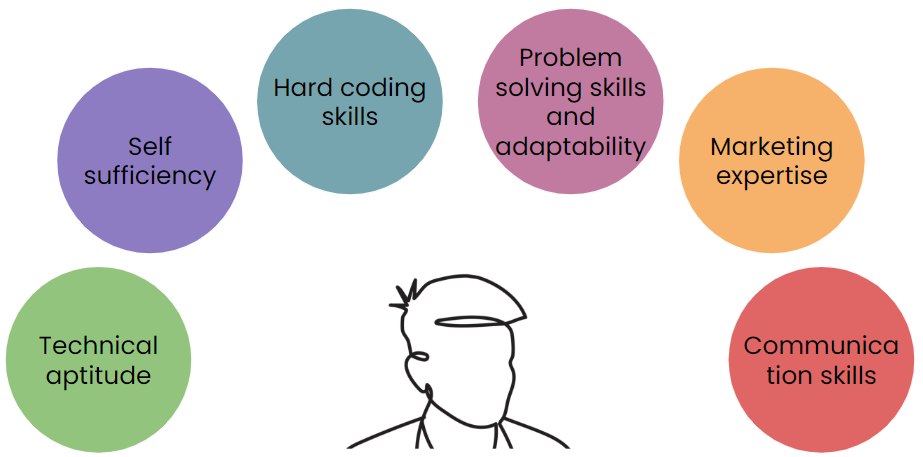
Although Martech Specialists are not strictly developers, many tools require coding/scripting to take full advantage of their capabilities – so some coding skills are ideal. The most popular languages include:
- Javascript
- HTML/CSS
- SQL
What does the future hold?
Digital Marketing and related technology is constantly changing and the role of Martech Specialist will naturally change as well.
Among the biggest challenges faced include Apple and Google’s privacy initiatives; the release of iOS 14.5 in 2021 saw Apple’s advertising ID (IDFA) become explicitly optin – vastly reducing the scope for user level attribution.
Every Digital Marketer will be familiar with GDPR and the impact on cookie based web tracking, but Google are planning to go one step further and deprecate 3rd party cookies in 2024 on Chrome (following the lead set by Mozilla Firefox back in 2019).
Marketing Technology Specialists will be needed more than ever to help marketing teams navigate these restrictions and ensure that the digital campaigns can be measured in a privacy safe manner.
Thanks for reading!