Why is a Marketing technology team important?
Digital Marketing is becoming increasingly technically complex.
There are a huge array of tools available giving many options for acquisition, retention, tracking and automation. In fact, Chief Martech estimates that there are almost 10,000 tools available to the Digital Marketing industry (although of course, some tools are also used in other branches like Sales and Product).
What’s more, the tools themselves are growing in sophistication. As an example, when I started using Braze in 2016 (or Appboy as it was called then), it focused purely on mobile. Fast forward 7 years and the tool has added many functionalities like email, webhooks and catalogs.
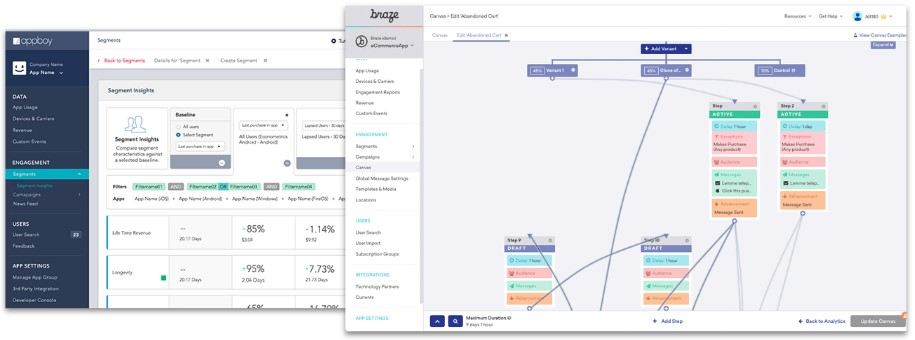
Navigating this software maze can be tricky.
Whilst they may understand the capabilities of the tools, Marketers are not normally technical experts. They may find it difficult to communicate their integration or tech stack requirements to technical teams, and may not consider which processes can be automated.
On the other side, Engineering have the technical expertise, but don’t frequently understand the tools or marketing objectives. This can result in breakdowns of communication and ultimately, inertia.
More sticking points:
- Limited engineering resources. Most companies are under-resourced when it comes to technology teams, meaning marketers have to fight to get their requests prioritised
- Prioritisation of other team requests. Marketing requests are often treated as lower prioritity than those from Operations teams
- Long lead times. Engineering teams work on 3/6 month prioritisation processes, failure to get your request picked up in one cycle equals a very long wait until the next priorisation opportunity.
One solution to this predicament is to employ dedicated technical marketers and if the need is there, create a Marketing Technology team.
Where a martech team can add value
With one foot in either camp, the Marketing Technology team can be the bridge between Marketing and Engineering.
One common mistake made by less-technically minded marketers in the product request process is to present Engineering with a rough problem, rather than a detailed breakdown of the issue and potential solutions. As mentioned, Engineers are not marketers. They are much less likely to pick up a request if they need to spend a significant amount of time researching and understanding the problem before they can start coding.
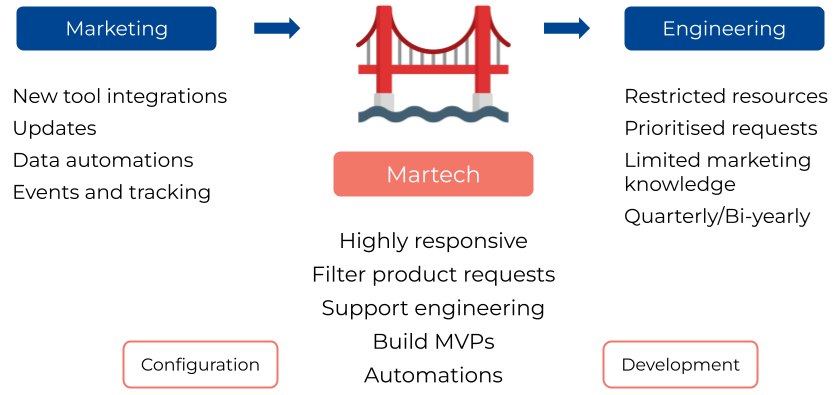
The Martech team can help here: by taking on responsibility for product requests, filtering out the requests that can be done internally and breaking down the remaining requests into more actionable steps. Martech also supports the Engineering team with product requests once they are taken on – by providing expertise on the tech stack, doing any configuration and testing/QA before roll out.
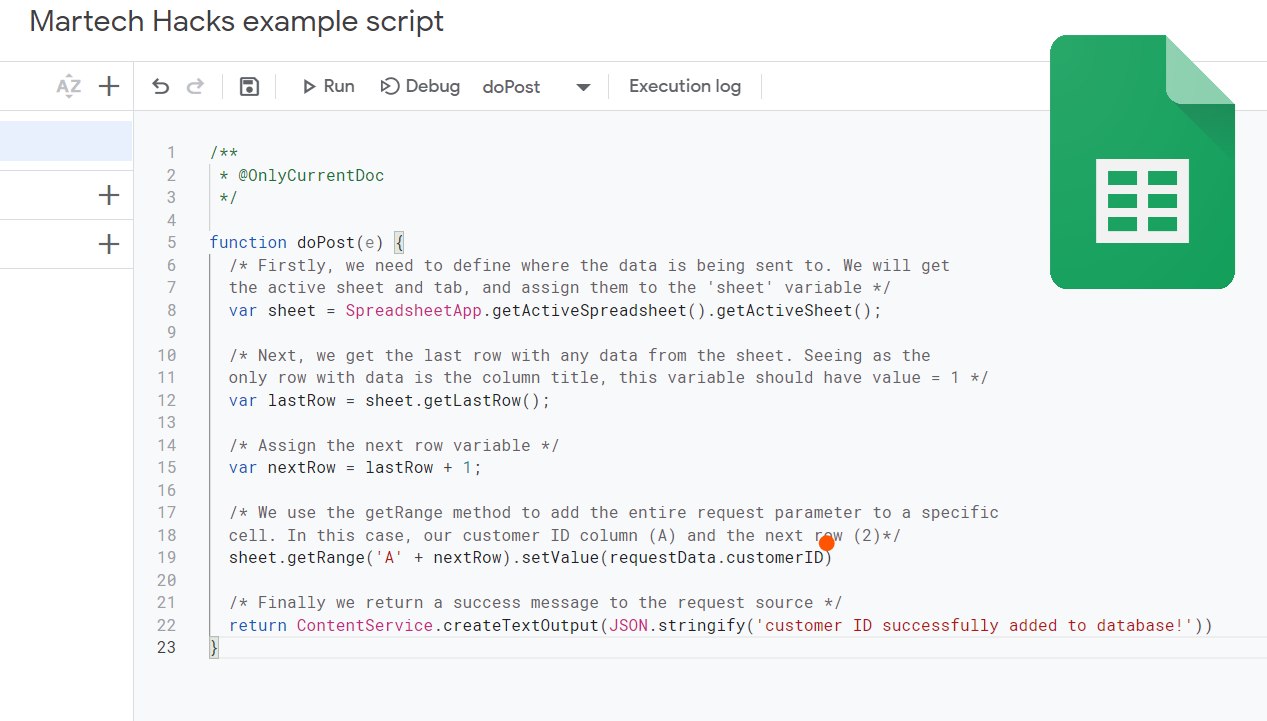
Depending on technical skills in the team, Martech may be able to take on a fair amount of requests themselves. With access to basic tools like Google App Scripts and somewhere to host landing pages, it’s possible to build relatively sophisticated MVPs on topics like customer referral and lead nurturing. Add in some infrastructure to host/trigger Python scripts, and it’s possible to run data automations too.
Summing up
Marketing technology teams are still quite niche, with less than 50% of companies having access to dedicated martech skill sets. However, with upcoming challenges like cookie deprecation, advertiser ID limitations and increasing use of AI, having access to technical marketers is vital for an efficient marketing team.
That’s all for this post! Please check part two for some tips on how to build a marketing technology team.